


For nearly two years, the discourse surrounding AI-generated imagery has often been encapsulated by the term “slop,” a pejorative used to characterize the bizarre and visually overwhelming outputs created by large language models (LLMs). This term has become synonymous with the perception of AI content as mindless and haphazard, but is this characterization entirely fair?
In an effort to transform this narrative, Google Labs launched its Flow Sessions. This initiative was highlighted during a recent screening at New York’s Metrograph theater, where a collection of short films produced by the latest cohort of the Google Flow Sessions artist residency program was showcased.
These films, crafted by eleven resident artists, defy the notion of “AI slop.” Instead, they present deeply emotional, personal, and imaginative storytelling. Drawing from a background in avant-garde cinema, I found these projects to resemble cinematic memories or “essay films,” where generative AI tools serve as collaborators in the creative process rather than shortcuts to hastily assembled content.
At the heart of these short films lies Google Flow, a generative AI media creation tool designed to help artists realize their visions. Brianna Doyle, head of community at Google Labs, explained that the Flow Sessions aim to bridge the gap between the developers who create these tools and the artists who utilize them. The goal is not to build AI for artists but to collaborate with them, ensuring that these tools enhance rather than replace human creativity and storytelling.
“AI has opened the doors for them as far as creativity goes,” Doyle noted. “It hasn’t been stifling at all. It’s actually reframed what they are able to do.”
Shifting Perspectives on AI in Art
Amid concerns from traditionalists that AI could undermine the authenticity of art, the artists in this residency have harnessed technology to catalyze a new form of nuanced storytelling. Doyle emphasized the motto of the program: “lower the floor and raise the ceiling.” This mantra speaks to making filmmaking more accessible to newcomers while expanding the creative possibilities for independent artists.
The evolution of the Flow tool reflects this philosophy. Initially focused on video, artists found themselves spending excessive time managing images and storyboards. In response, Flow now includes image generation capabilities and an organizational interface that streamlines the transition from concept to production.
For artists like Ikenna Mokwe, founder of OnGen Studio, this efficiency drastically alters the filmmaking landscape. After 15 years in traditional media, Mokwe has adopted a new workflow where language models and video generation facilitate his creative process. By using voice commands with Gemini, he can translate spontaneous ideas into structured scripts, significantly reducing the time spent on typing, while custom micro-tools within Flow automate repetitive tasks.
Despite these advancements, Mokwe emphasizes the importance of storytelling. “Storytelling is at the heart of everything,” he affirmed. AI does not create the narrative; it accelerates the journey from concept to completion. “I’ve had absolutely zero hesitation,” he added. “I jumped right on it. I think [AI] is absolutely amazing. I think it is super empowering.”
Human Connection in AI Artistry
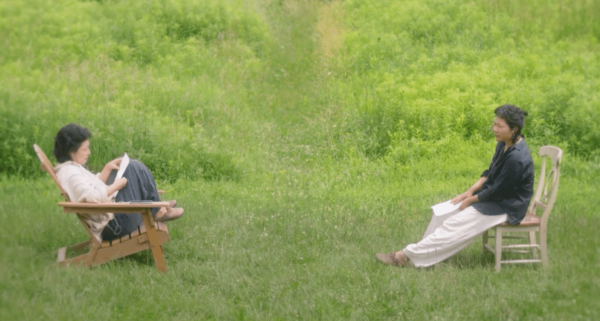
The works produced by these resident artists demonstrate that AI can coexist with human emotion and intimacy. For instance, Dion Lee’s film “Two Chairs” poignantly explores women’s choices regarding motherhood. Through the letters she writes to both her daughter and her younger self, Lee crafts a visual narrative that resonates deeply with viewers.
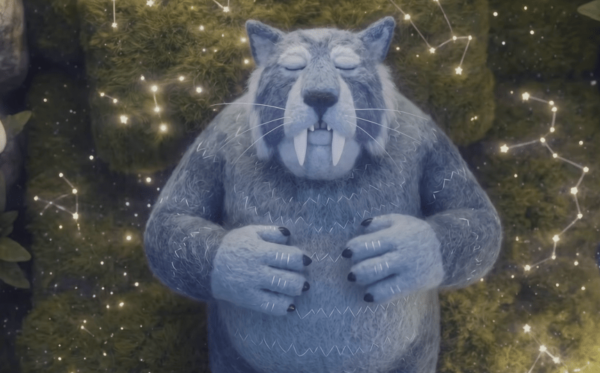
In another example, Adam Brumley, who leads Studio Heartfelt, employs Flow to bring his poems and drawings to life as 3D needle-felted characters. His process illustrates how AI tools can enhance traditional techniques, allowing him to explore textures and lighting while maintaining the integrity of his artistic vision.
Brumley remarked, “I think the thing that excites me about AI is just the ability to explore so many possibilities quickly. As a one-man band over here, being able to take an idea through the finish line […] it just would not be possible to do that if I had fabricated all the sets, done everything and done the characters and all that.”
Despite their diverse backgrounds and artistic methods, the cohort of eleven artists shares a common commitment to personal authorship in their films.
A New Era of AI in Filmmaking
While many esteemed artists and filmmakers have voiced their skepticism toward AI, suggesting that they would prefer death to using it in their work, the increasing integration of AI tools indicates a potential shift in the filmmaking landscape. This new era may see AI and human creativity intersect to enhance artistic expression.
In this cohort’s projects, generative tools are not employed to circumvent craftsmanship; instead, they allow for greater freedom in storyboarding, smoother iterations, and the refinement of emotional depth. The critical inquiry now focuses on whether a machine can produce meaningful imagery, rather than merely if it can generate an image.
Ultimately, the “beyond slop” argument stands firm. The Flow Sessions highlight that these films do not simply flood the market with outputs. Instead, they treat generative AI tools as instruments that sharpen narrative intent while preserving the human perspective in every frame.
To explore each resident artist’s work, watch their projects linked below:
- Man VS Hairline by Ikenna Mokwe: A British comedy following a man’s emotional journey regarding his hair.
- Mascot by Daniel Garcia: A horror-thriller exploring the consequences of a tourist’s actions.
- FRIK by Mehdi Saqi: A unique creature’s transformative journey.
- Nothin’ Beats a Cheeseburger by Andrew Nethery: An interplanetary explorer’s discovery of an extraordinary cheeseburger.
- Wobbles by Matt Slamowitz: A journey through grief and discovery in New York.
- Two Chairs by Dion Lee: A reflection on motherhood and life choices.
- One Breath At a Time by Santiago Carrasquilla: A visualization of meditation.
- 2ndskin by Kat Vlasova: A dance film exploring connection through technology.
- The Call by Ariel Rosso: A journey through memory and dream in a coastal town.
- Atoms in Me by Adam Brumley: A creature’s introspective reflection on existence.
- Where Did The Love Go by Nina Menzel: An experimental film exploring themes of memory and loss.